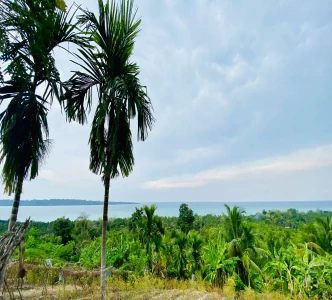



The Andamans are not like booking a trip to Goa or Manali where you can more or less figure it out as you go. There are permits, ferries, island timings, seasonal windows, and a handful of things that catch first-timers completely off guard. Get them wrong and you lose days. Get them right and the trip runs like it was made for you.
Here's everything, in the order you'll actually need it.
You Need a Permit Just to Enter
Indian nationals get it automatically at the airport on arrival — it's called the Restricted Area Permit and it's issued free of charge when you land in Port Blair. You don't need to apply in advance, just have your ID ready.
Foreign nationals need to check current permit requirements before traveling as the rules have changed a few times in recent years. Worth verifying directly with the Andaman administration or your travel operator before booking flights.
The permit covers the main tourist islands — Port Blair, Havelock, Neil. Certain outer islands require a separate permit and some are completely off limits. Don't assume every island you've seen on Instagram is accessible.
Port Blair is the Gateway, Not the Destination
Almost everyone lands in Port Blair. Most people spend one night there, sort their onward ferry, and move on — and that's completely fine.
Port Blair has a few things worth seeing: the Cellular Jail is genuinely moving and the light and sound show in the evening is worth catching if your timing works out. But don't build two or three days around it expecting a beach holiday. The real Andamans — the water, the reefs, the quiet — is on Havelock and Neil.
Get to Port Blair, settle in, sort your ferry tickets if you haven't already, and move on the next morning.
The Ferry System is the Backbone of the Trip
There are no bridges between islands. Everything moves by boat, and the ferry system runs on its own schedule that doesn't particularly care about yours.
Government ferries are cheap and run regularly but book up fast in peak season — October to May. Private ferries like Makruzz and Green Ocean are faster, more comfortable, and worth the extra cost especially on the Port Blair to Havelock route which takes around 1.5 to 2 hours depending on the vessel.
Book ferry tickets in advance. Not the day before — at least a week before in peak season, more if you're traveling over a long weekend or holiday. People have missed their entire Havelock slot because they assumed tickets would be available on arrival.
There is a seaplane too, small and spectacular, but seats are limited and it books out weeks ahead. Worth it if you can get it, not worth building your itinerary around.
Havelock and Neil Are Very Different Islands
Havelock — officially called Swaraj Dweep now, though almost nobody calls it that — is the bigger, busier, more activity-heavy island. This is where you dive, kayak, eat well, and spend most of your time if you're on a first trip.
Neil Island — Shaheed Dweep is smaller, quieter, and slower in every possible way. Fewer restaurant options, roads you can cycle around in an afternoon. It's beautiful in a completely different way and worth at least two nights if your trip is long enough.
Most first-timers underestimate Neil and skip it or do it as a rushed day trip. Don't. If you have seven days or more, build at least two nights there.
The Weather Window Actually Matters
Peak season is October to May. The sea is calm, visibility underwater is excellent, and the ferries run reliably.
June to September is monsoon. The sea gets rough, ferries get cancelled, outdoor activities become unpredictable, and some operators shut down entirely. It's not impossible to travel then — some people love the emptiness and the dramatic skies — but go in knowing that plans will change and not everything will be available.
November to February is the sweet spot. Calm seas, clear skies, excellent diving conditions, and the islands are busy but not overwhelmingly so. If you have flexibility on dates, aim here.
Cash is Still King on the Islands
There are ATMs on Havelock but they run out of cash more often than you'd expect, especially over weekends and peak periods. UPI works at most restaurants and larger operators these days, but the smaller vendors, local transport, and a handful of activities still run on cash.
Withdraw enough in Port Blair before you get on the ferry. Don't rely on finding a working ATM on the island the day you need it.
A Few Things That Catch First-Timers Off Guard
Connectivity is patchy. BSNL works best across the islands — other networks drop in and out. Download your maps offline before you leave Port Blair.
Plastic bags are banned across the islands. Bring a reusable bag and don't show up with a suitcase full of single-use packaging.
Sunscreen matters — but if you're diving or snorkeling, use reef-safe sunscreen. The regular stuff damages coral. Most serious operators will mention this, but worth knowing before you pack.
How Long Should You Actually Go For
Five days is the minimum if you want to do Havelock properly. Seven is comfortable. Ten or more and you start finding the quieter corners of the islands that most people miss entirely.
The most common regret we hear from first-timers isn't that they overpacked the itinerary — it's that they didn't stay long enough. The islands have a way of slowing you down, and once they do, you won't want to leave on the schedule you originally set.
What to Actually Do With Your Time
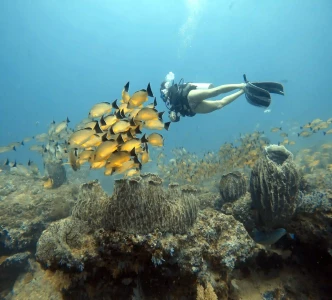
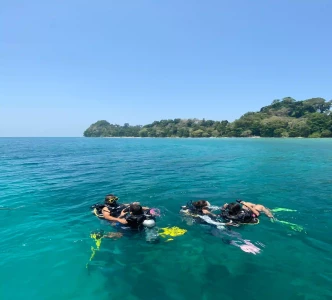
Dive if you can. Even a beginner's discover scuba session changes how you see the place entirely — the reef here is some of the healthiest in the country and what's underneath the water is as spectacular as anything above it.
Night kayaking through bioluminescent water is worth planning your whole trip around — but book it on a New Moon night or don't bother.
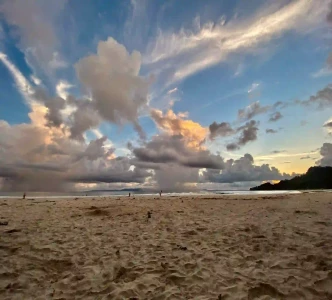
Radhanagar Beach at sunset is non-negotiable. Get there thirty minutes early and stay twenty minutes after the sun goes down.
Beyond that — eat the fresh catch wherever you find it, talk to the people running your activities, and leave at least one full day with nothing in it.
The Andamans reward the people who come prepared and then let go of the plan once they're here. If you want help putting together an itinerary that actually makes sense for your dates and travel style, we're a message away. Click here to start planning your trip.